


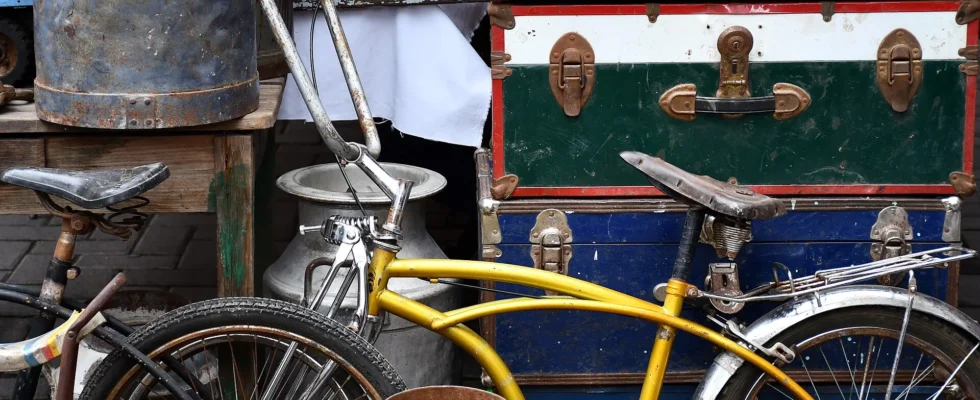
Tonalá is the birthplace of Mexican ceramics, and for visitors it comes down to two words: clay and tianguis (an open-air street market). Two days a week, the streets of its center turn into the Tonalá tianguis, the largest open-air crafts market in the area, with miles of stalls selling pottery, hand-blown glass and folk art at prices straight from the source. If you are wondering what to do in Tonalá, this guide sticks to the practical side: the market (days and hours), which crafts to buy and how to bargain, what else to see and how to get there.
It pairs naturally with Tlaquepaque: the two crafts towns of the metro area are usually visited together, and below we explain how to combine them in a single day.
📍 Tonalá quick facts
Crafts market: Thursday and Sunday, 8:00 a.m. to 3:00 p.m. (many stalls open from 6:00 a.m. and stay until 6:00 p.m.).
Admission: free.
What to buy: ceramics (barro bruñido, petatillo, canelo), hand-blown glass, papier-mâché, wrought iron.
Getting there: Light Rail Line 3 does not go into Tonalá; get off at the eastern terminal (Central de Autobuses) or at Tlaquepaque Centro and connect by bus or Uber. The most direct option is Uber/DiDi.
Best day: Sunday (biggest market) or Thursday (smaller crowds).
Bring: cash in small bills, comfortable shoes and a cap.
The Tonalá market: days, hours and how it works
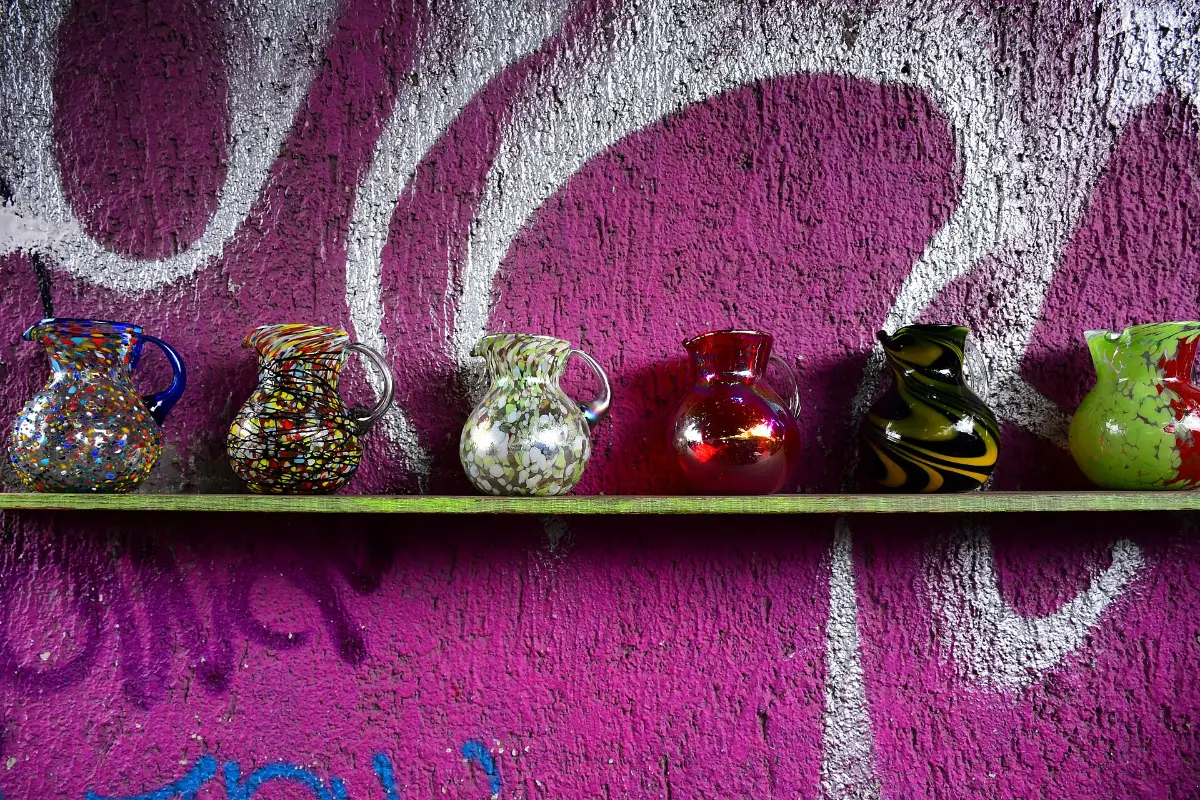
The well-known Tonalá crafts market sets up on Thursday and Sunday, from 8:00 a.m. to 3:00 p.m., although many artisans arrive as early as 6:00 a.m. and others stay until 6:00 p.m. It is not a covered market: the stalls spread through the streets of the center (Juárez, Madero, Tonaltecas, Avenida Tonalá and nearby streets) for about 3 km (2 miles). Together with the permanent shops, it is the core of what you can do in Tonalá.
Of the two days, Sunday is the largest and most varied; Thursday is calmer and usually better for bargaining at your own pace. If it is your first visit and you want to see the market at its fullest, go early on a Sunday.
🗓️ Market days and hours
Regular days: Thursday and Sunday, year-round.
Hours: 8:00 a.m. to 3:00 p.m. (stalls from 6:00 a.m. until 6:00 p.m.).
Seasons with a daily market: Holy Week (Palm Sunday to Easter Sunday) and December 12 to January 6.
Nativity market (Tianguis de Nacimientos): from the first Thursday of October to December 24, for nativity scene figures.
📖 Related articles: Things to Do in Tlaquepaque — the other crafts town | Shopping in Guadalajara — where to shop in the city
What crafts to buy in Tonalá
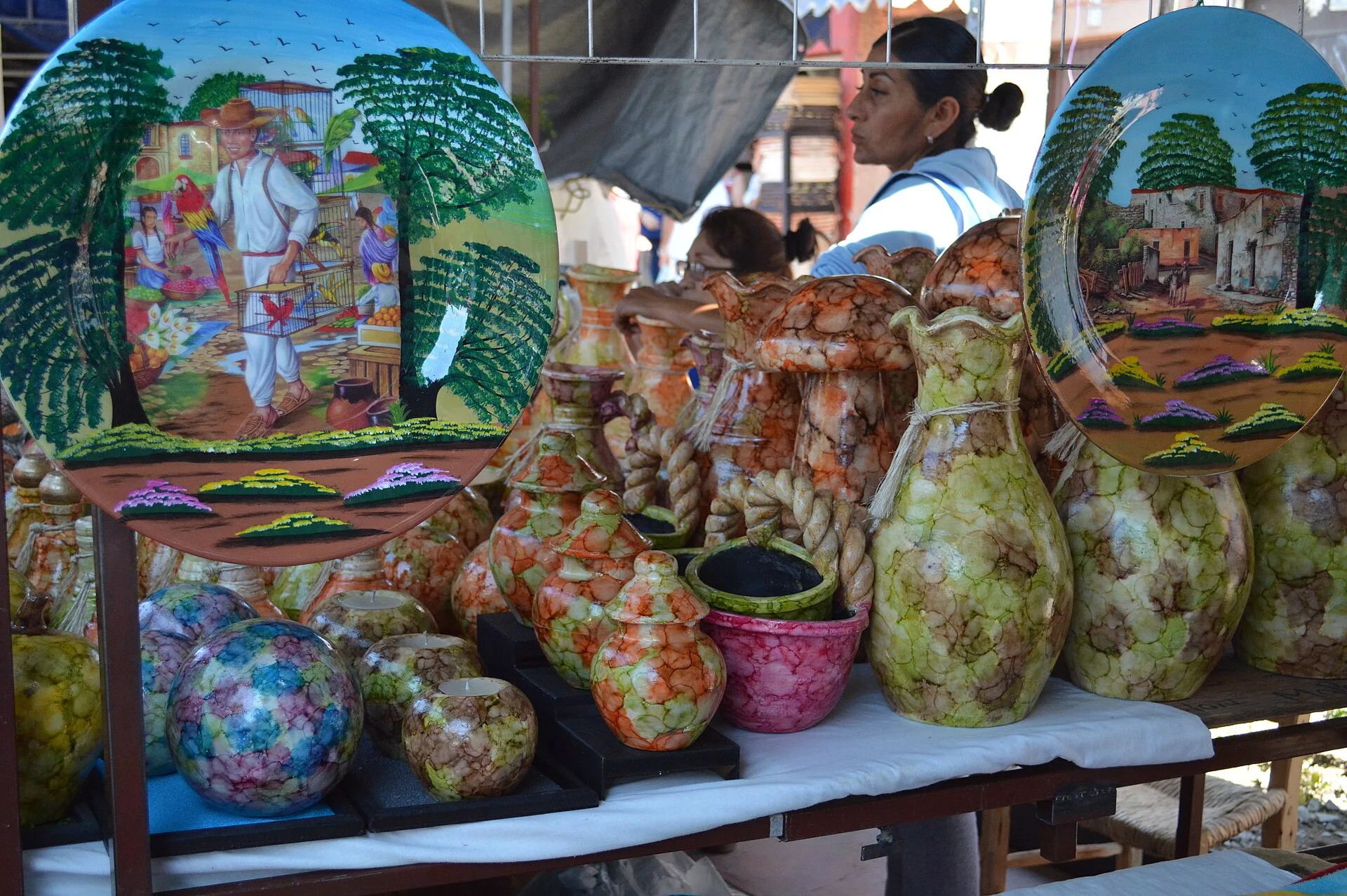
Tonalá is, above all, a clay town. It helps to recognize the techniques so you know what you are taking home (and why it costs what it does):
- Barro bruñido (burnished clay): a pre-Hispanic technique; the piece is rubbed with a pyrite stone until it shines. One of the finest and most representative styles.
- Barro petatillo: known worldwide for its very fine crosshatched lines that imitate a petate (woven palm mat). Highly detailed and collectible.
- Barro canelo (loza de olor): cinnamon-colored; it gives off the smell of wet earth when it comes into contact with water.
- Barro bandera: decorated with the three colors of the Mexican flag.
- Barro betus: figures from Santa Cruz de las Huertas, with a surreal feel and many animal shapes.
- High-fire ceramics: dinnerware and everyday pieces that are more durable.
- Blown glass, papier-mâché, wrought iron and furniture: Tonalá is not only about clay; you will also find glassblowing, paper figures, handmade ironwork and rustic furniture.
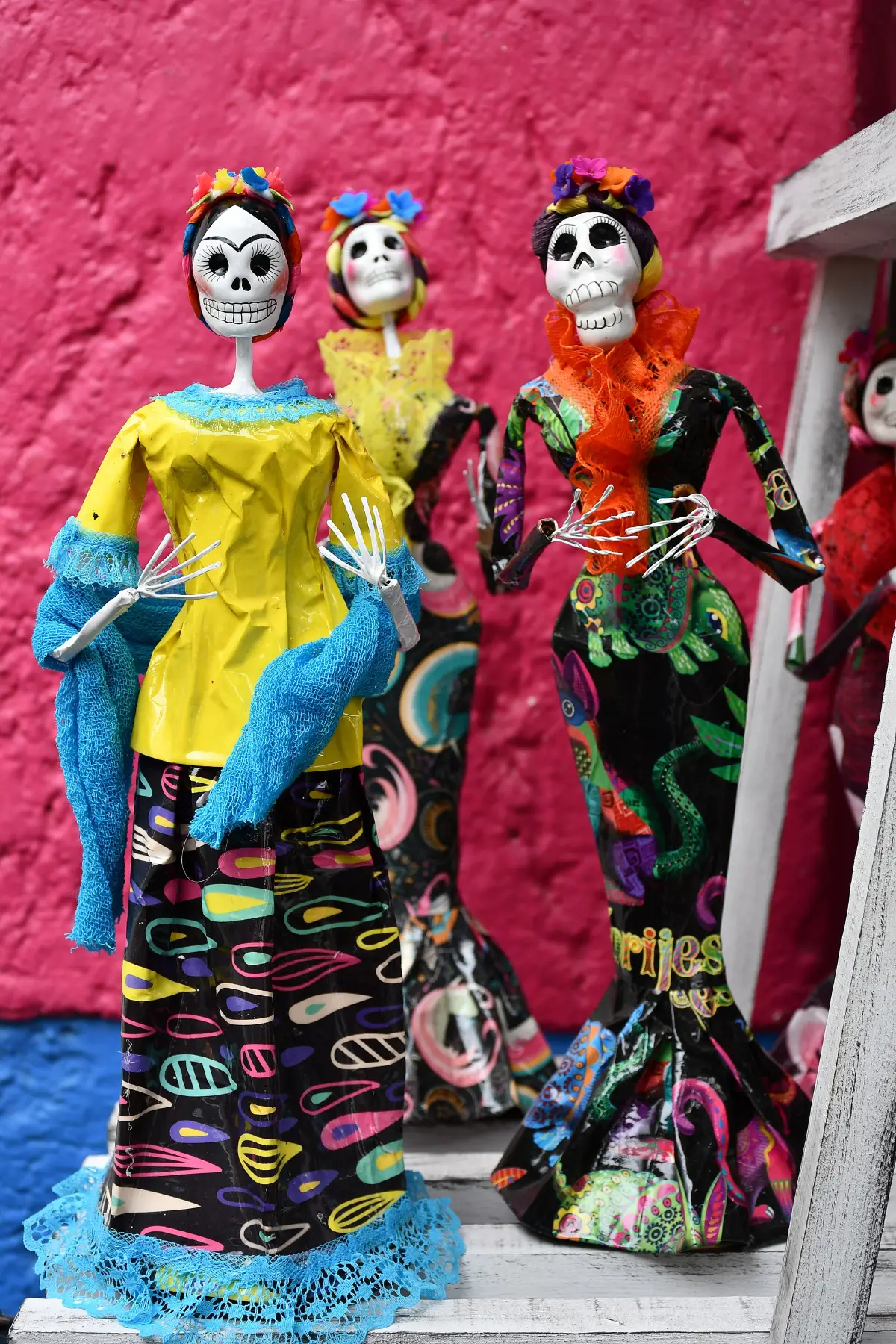
From an MXN $50 flowerpot to signed pieces costing thousands of pesos, there is something for every budget. Clay suns, catrinas (elegant skeleton figures), dinnerware and nativity sets are the souvenirs visitors buy most.
How to shop and bargain at the market
Bargaining is part of the experience, always with respect (many pieces are handmade by the seller). These rules work:
- Compare before you commit: the same piece shows up at several stalls, so walk a stretch before buying.
- Cash in small bills: it gives you bargaining power and avoids the “I don’t have change” problem.
- Buy in volume: asking “¿y si me llevo tres?” (what if I take three?) almost always lowers the price per piece.
- Bargain within reason: offering half the price of a signed piece is offensive; mass-produced items have more room to negotiate.
- Ask for good wrapping: ceramics are fragile, so ask for paper and cardboard, and if you buy a lot, ask about shipping.
- Buy directly from the artisan: at the workshops in the center you can see the process, and prices are usually better than with resellers.
If you want to keep shopping for crafts in the city, add our Guadalajara shopping guide and the Mercado San Juan de Dios, which also has crafts and room to bargain.
📖 Related articles: Mercado San Juan de Dios — crafts and food downtown | Birria in Guadalajara — Tonalá is proud of its own
More things to do in Tonalá (besides the market)
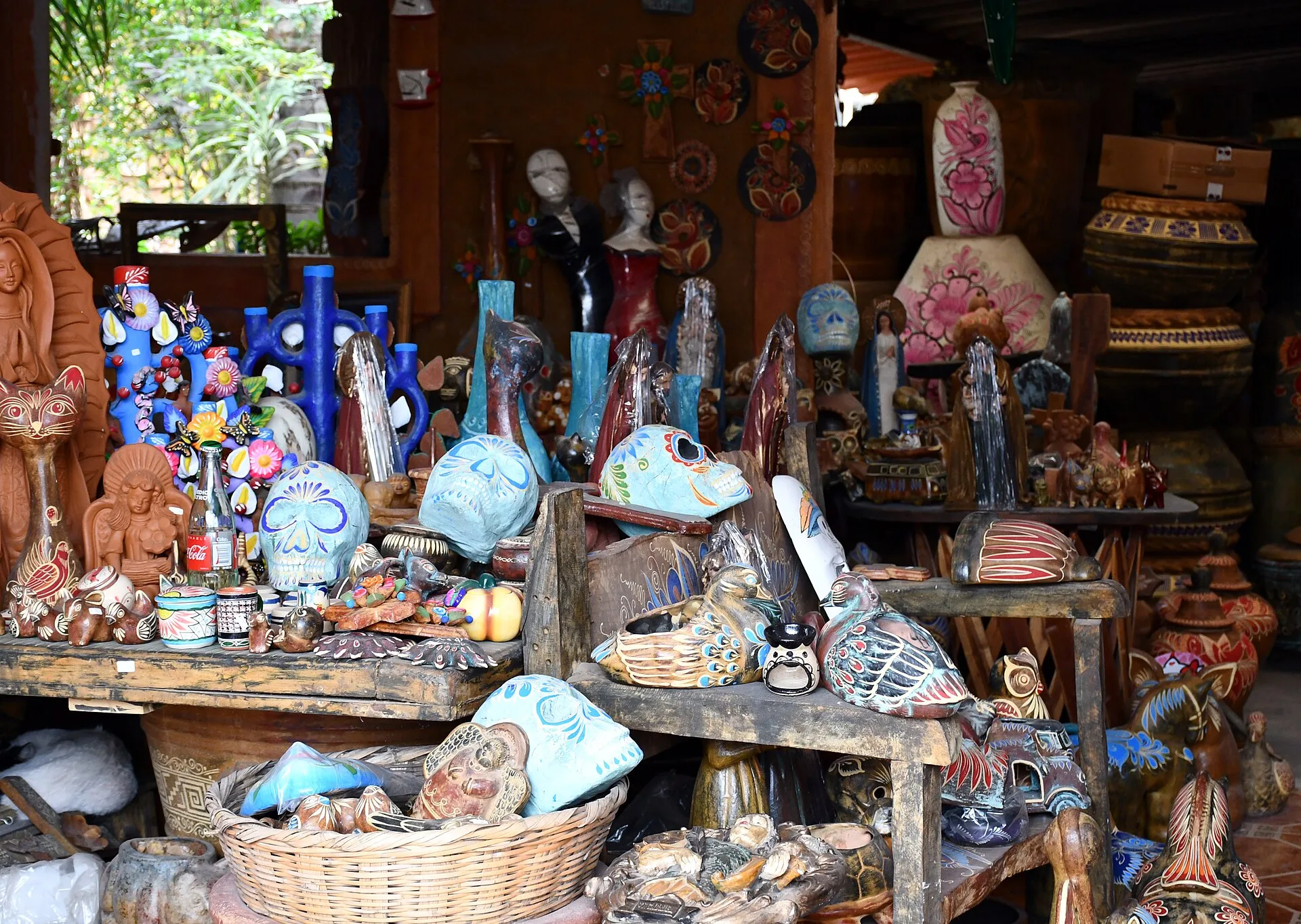
The market is the main draw, but there is more to do in Tonalá. Best of all, the workshops, shops and museums are open all week, so the town is worth a visit even on a non-market day.
- Museo Nacional de la Cerámica: in the center, with free admission; it brings together pieces made with the different clay techniques. A must to understand what you are buying.
- Visit artisan workshops: many home workshops in the center let you watch the process (throwing, burnishing, painting) and buy directly.
- Parroquia de Santiago Apóstol: the church in the historic center, a good starting point for walking around town.
- Cerro de la Reina: a lookout with panoramic views and the statue of Queen Cihualpilli; Tonalá means “place where the sun rises” in Nahuatl.
- Eat birria: Tonalá claims some of the best birria (spiced stewed meat) in Jalisco; you will also find tacos, pozole and traditional sweets at the small family eateries in the center.
How to get to Tonalá
To be clear: Light Rail Line 3 does not reach Tonalá. Its eastern terminal is Central de Autobuses station (the Nueva Central Camionera bus terminal), close to Tonalá but still in Tlaquepaque. Line 3 gets you nearby, and it is handy for pairing the trip with Tlaquepaque, but to reach downtown Tonalá you need a short connection.
🚆 Getting to Tonalá
Light Rail Line 3: get off at Central de Autobuses (eastern terminal) and take a local bus, taxi or Uber/DiDi (about 10–15 min) to the market.
Combined with Tlaquepaque: get off at Tlaquepaque Centro (Line 3), explore Tlaquepaque and continue to Tonalá by Uber or bus.
Most direct: Uber/DiDi from downtown Guadalajara (about 25–35 min).
By car: take the free highway to Zapotlanejo / Av. Tonalá; there are parking lots in the center (they fill up on market days).
Buses: several city routes connect Guadalajara with downtown Tonalá.
To get around the metro area by public transit, see our guide to public transportation in Guadalajara.
Tonalá and Tlaquepaque: the crafts pair
Tonalá and Tlaquepaque are the two crafts towns of the metro area, and they complement each other. Tlaquepaque is more polished and touristy, with art galleries, restaurants, El Parián and pretty streets for walking. Tonalá is the raw source: the market and the workshops, where you buy cheaper and directly. If you have one day, combine them: a morning at the Tonalá market (Thursday or Sunday) and an afternoon of galleries and food in Tlaquepaque, just a few minutes away.
And if you enjoy charming small towns, take a look at the Pueblos Mágicos of Jalisco (towns with an official “Magic Town” designation) to extend your trip.
Things to do in Tonalá: FAQ
What days is the Tonalá market open?
Thursday and Sunday, year-round, from 8:00 a.m. to 3:00 p.m. (with stalls from 6:00 a.m. until 6:00 p.m.). During Holy Week and from December 12 to January 6 it runs daily.
Does Light Rail Line 3 go to Tonalá?
Not directly. Line 3 ends at Central de Autobuses station (in Tlaquepaque, next to Tonalá); from there take a bus, taxi or Uber to downtown Tonalá. For visitors, Uber/DiDi is the most convenient option.
What can you buy in Tonalá?
Mostly ceramics: barro bruñido, petatillo, canelo, bandera and betus, plus blown glass, papier-mâché, wrought iron and furniture. Clay suns, catrinas and dinnerware are the most popular souvenirs.
Can you bargain?
Yes, respectfully. Compare prices at several stalls, pay in cash and negotiate especially if you are buying several pieces. There is less room on signed pieces.
Is Tonalá worth visiting on a non-market day?
Yes. The shops, artisan workshops and the Museo Nacional de la Cerámica are open all week. To experience the market itself, though, you need to go on a Thursday or Sunday.
Should I combine Tonalá with Tlaquepaque?
Definitely. They are a few minutes apart and complement each other: Tonalá for buying cheaply and directly, Tlaquepaque for galleries, restaurants and atmosphere. You can do both in one day.
📖 Keep exploring: Things to Do in Tlaquepaque | Pueblos Mágicos of Jalisco | Mercado San Juan de Dios | Shopping in Guadalajara