


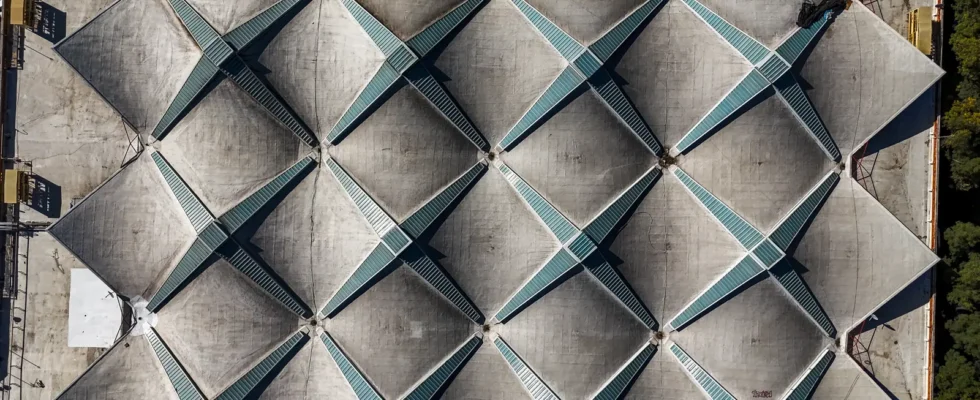
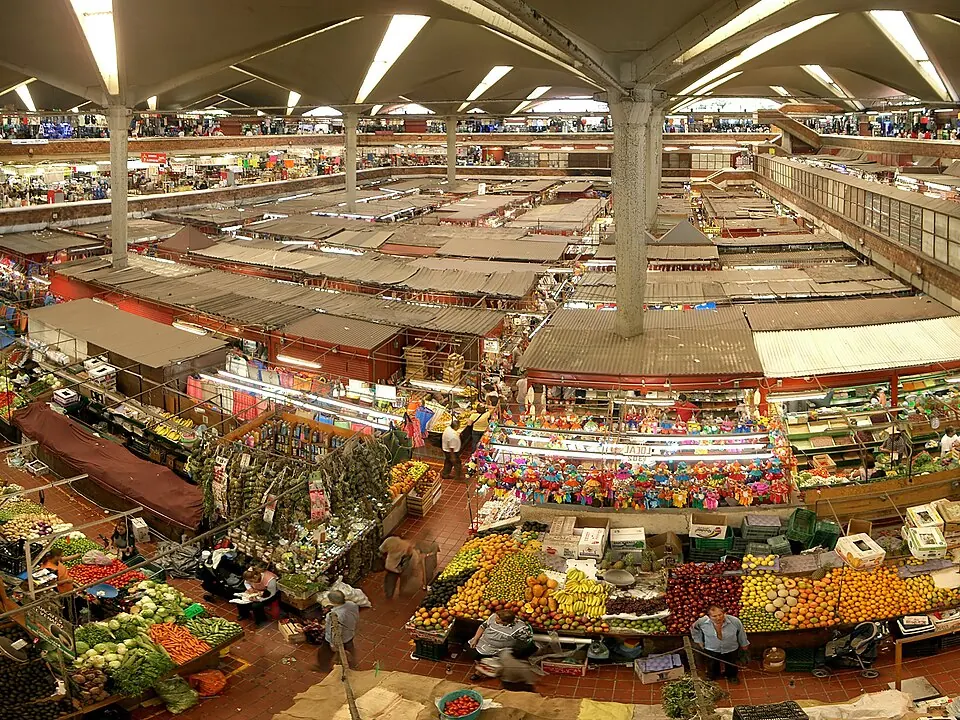
The Mercado San Juan de Dios, officially called Mercado Libertad, is the largest indoor market in Mexico and one of the largest in Latin America: three levels of shops, thousands of stalls and, in the middle of it all, the most famous food hall in Guadalajara. It is easy to get lost if you walk in without a plan. This guide sticks to the practical side: how the market is organized by level, what to eat, what to buy and how to bargain, opening hours and how to get there. And if you are after clay crafts and serious bargaining, pair it with the Tonalá crafts market.
It sits in the Barrio de San Juan de Dios, right next to Plaza Tapatía, so it fits perfectly into a walk around the Guadalajara Historic Center. The building fills an entire city block; architect Alejandro Zohn designed it, and it opened on December 30, 1958. That is enough history: what matters here is knowing how to find your way inside.
📍 Mercado San Juan de Dios quick facts
Address: Calle Dionisio Rodríguez #52 (corner of Av. Javier Mina), Barrio de San Juan de Dios, Centro Histórico, Guadalajara.
Hours: daily, approx. 8:00 a.m. to 8:00 p.m. (the fondas in the food hall open early; midday is the best time to go).
Admission: free.
Getting there: Light Rail Line 2, San Juan de Dios station (right across the street).
Suggested time: 1.5 to 3 hours.
Bring: cash in small bills.
📖 Related article: Tonalá Crafts Market Guide — clay crafts, what to buy, how to bargain and how to get there.
How the Mercado San Juan de Dios is organized by level
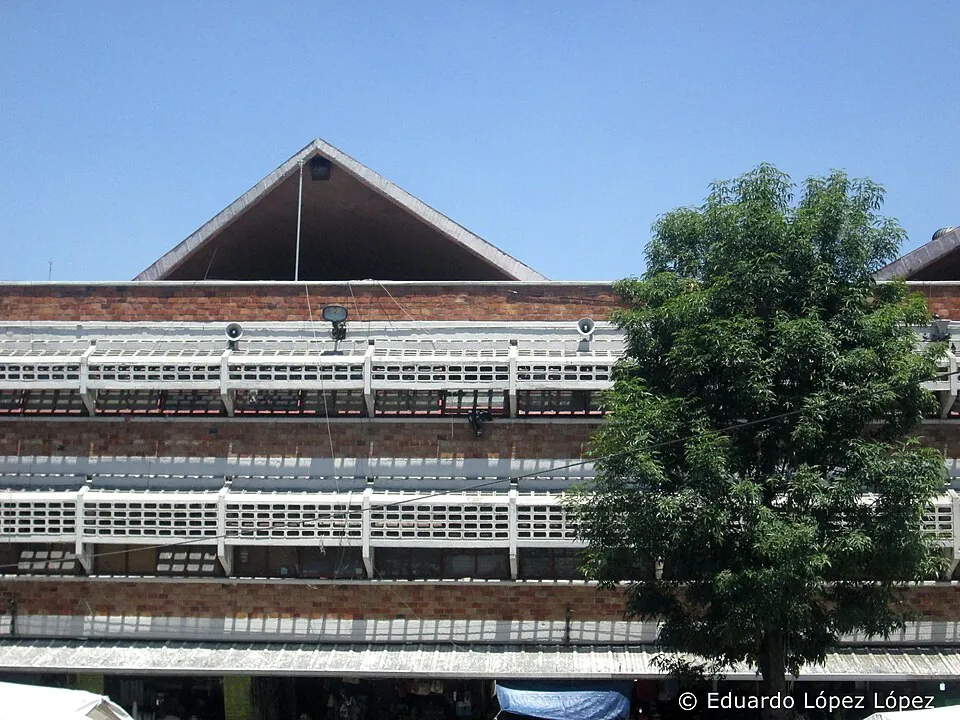
The key to not getting lost is understanding that the market works by floor, and each floor has its own logic. There are three shopping levels above two floors of parking. Think of it this way: downstairs you buy groceries and sweets, in the middle you eat, and upstairs you buy clothes and electronics.
Ground floor (Level 1): groceries, traditional sweets and crafts
As you walk in you are greeted by grocery stands, spices, dried chiles, fruit and vegetables, and stalls selling traditional sweets: jericalla (a custard similar to crème brûlée), ates (fruit pastes), cocadas (coconut candy), borrachitos (liquor-soaked sweets) and alegrías (amaranth bars). This floor also holds much of the crafts section (talavera pottery, leather, hats, basketry) and stalls with religious items. It is the level for edible souvenirs and gifts.
Level 2: the food hall (the fondas)
For most visitors, this is the heart of the Mercado San Juan de Dios. Head up the stairs and you will find aisle after aisle of fondas (small family-run eateries), each calling out its specialty: tortas ahogadas, birria, carne en su jugo, pozole, tacos. The cooks will try to wave you over from the counter; sit wherever you like (or wherever you see the most local diners, which is the best sign). Everything to eat is covered in the next section.
Top floor (Level 3): clothing, shoes, electronics and cell phones
Upstairs the atmosphere changes completely: clothing, shoes, leather goods (belts, boots, wallets), fabrics, quinceañera dresses and uniforms, plus the aisle of electronics, cell phones, accessories, computer gear, watches and movies. This is the level where you will really bargain.
To give you a sense of scale: the market is huge, around 40,000 m² (430,000 sq ft) with close to 3,000 stalls according to the most widely cited figures, so do not try to see it all. A fire damaged part of the south section in 2022, but the market operates normally. Decide what you are going for (food, crafts or shopping) and head straight to that level.
📖 Related articles: Guadalajara Historic Center — what to do around the market | Shopping in Guadalajara — other places to shop
What to eat at the Mercado San Juan de Dios
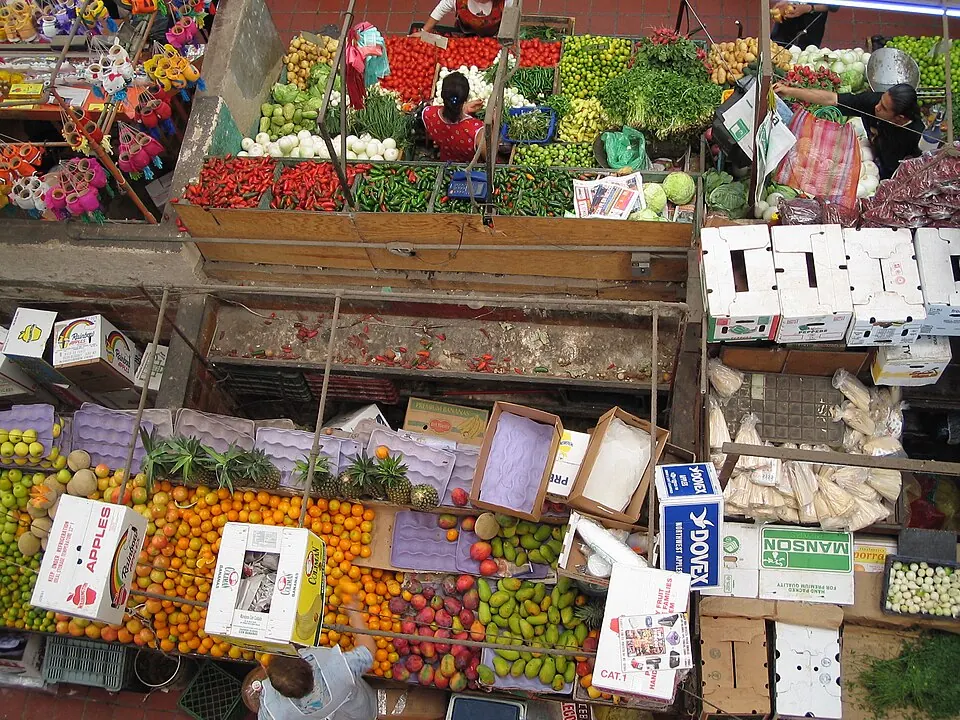
The food hall (Level 2) is reason enough to visit. It serves no-frills, home-style Guadalajara cooking at good prices. Do not miss:
- Torta loca: the market’s signature creation, which became famous here. A huge birote (Guadalajara’s crusty, slightly sour bread roll), the size of a plate, loaded with several meats, cheese and salsa; it is big enough to share. The stall La Torta Loca has sold it since 1970, near the corner of Av. Mina and Calzada Independencia.
- Tortas ahogadas: Guadalajara’s signature dish. A birote roll stuffed with carnitas and “drowned” in tomato sauce with chile de árbol. Order a “media” (half) if you want to try it without committing.
- Birria: beef or goat in a spiced red broth, served in a clay bowl with tortillas, onion and oregano. It runs about MXN $80–$150.
- Carne en su jugo: a Guadalajara stew of ground beef with beans, bacon and broth, topped with onion, cilantro and lime.
- Pozole and menudo: ideal in the morning or on a cool day; menudo (tripe soup) is the classic weekend dish.
- Carne asada tacos and lonches: the quick, safe choice at any fonda.
- Aguas frescas, tejuino and “toritos” (búfalos): horchata, hibiscus and the essential tejuino (a fermented corn drink served with lime, salt and sorbet).
- Traditional sweets for dessert: jericalla, Guadalajara’s signature dessert, plus ate with cheese and cajeta (goat’s milk caramel) from the ground floor.
Three tips for eating well: go at lunchtime (2:00–4:00 p.m.), when everything is freshly made and there are more locals; choose the fonda with the most local diners; and bring cash, because almost none of them take cards. If you want to sharpen your instincts before you come, see our guides to the best birria in Guadalajara and carne en su jugo.
📖 Related articles: Jalisco Food — traditional dishes you should try | Birria in Guadalajara — where to eat it
What to buy and how to bargain
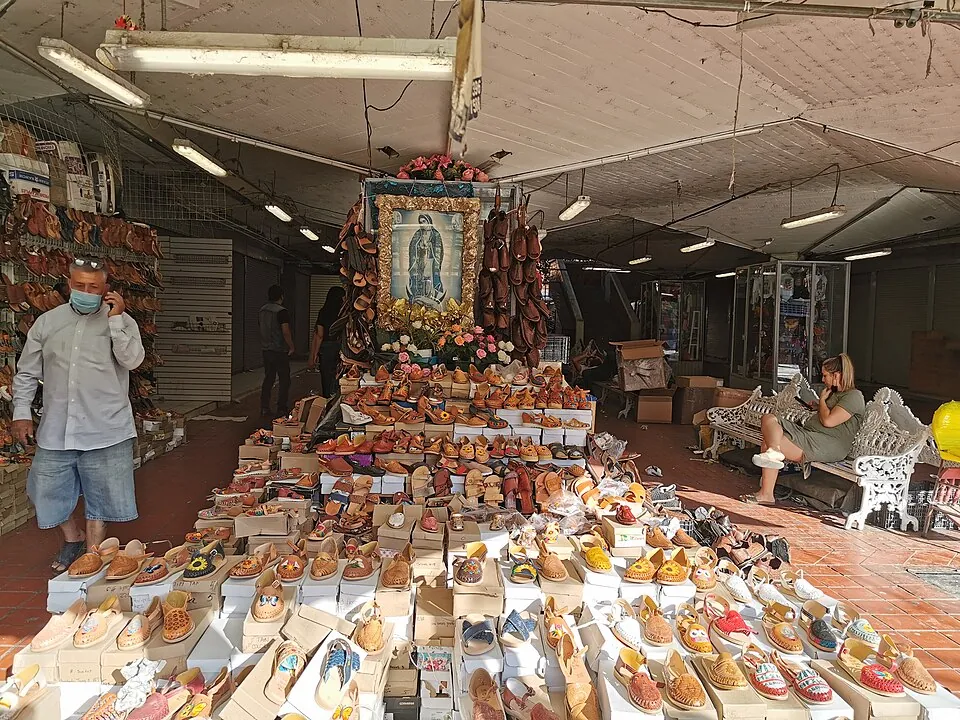
After eating, the other half of the plan is shopping. These are the things most worth taking home from the market:
- Crafts and souvenirs: talavera, ceramics, textiles, hats, huaraches (leather sandals) and Jalisco keepsakes (ground floor).
- Leather goods: belts, wallets, boots and leather bags, one of the region’s specialties (Level 3).
- Clothing and shoes: from party dresses to jeans and sneakers, at low prices (Level 3).
- Electronics and cell phones: accessories, cases, watches and gadgets; check items carefully before paying.
- Traditional sweets and sauces: jericalla, ate, cocadas, moles and bottled salsas: edible souvenirs that travel easily.
How to bargain politely: bargaining is expected for everything except food. These rules work:
- Compare before you buy: the same item can vary 50% or more between stalls. Ask the price at three or more before deciding.
- Start low: open by offering less than you expect to pay and meet halfway.
- Pay in cash with small bills: many vendors cannot break large bills, and cash gives you bargaining power.
- Buy in volume: asking “¿y si me llevo dos?” (what if I take two?) almost always lowers the unit price.
- Be friendly and unhurried: bargaining is a cordial game, not a fight. If you cannot reach a deal, say thank you and move on.
For more shopping options in the city, see our Guadalajara shopping guide, or combine the market with a visit to Tlaquepaque, known for its crafts.
Mercado San Juan de Dios hours
The Mercado San Juan de Dios is open every day. General hours for the stalls are roughly 8:00 a.m. to 8:00 p.m. The fondas in the food hall usually start earlier (some from 7:00–8:00 a.m. with breakfast), and many stalls begin closing after 6:00 p.m., so the best window to eat and shop with everything open is from mid-morning to mid-afternoon.
🕗 Hours and best times
Days: every day, including weekends.
General hours: about 8:00 a.m. to 8:00 p.m.
Food hall: opens early; best at lunchtime (2:00–4:00 p.m.).
For relaxed shopping: weekdays, 9:00 to 11:00 a.m.
Avoid: after 6:00 p.m., when several stalls are already closing.
How to get to the Mercado San Juan de Dios
Getting there is easy because the market is downtown and has a light rail station right in front. Public transportation is the most convenient option: skip the car, since the area is congested and parking takes time.
🚇 Getting there
Light Rail: Line 2, San Juan de Dios station (exit and the market is across the street).
Mi Macro Calzada (BRT): along Calzada Independencia, San Juan de Dios station.
On foot: about 10 minutes from the Cathedral, across Plaza Tapatía.
Uber / DiDi / taxi: available; ask to be dropped off on Av. Javier Mina or Dionisio Rodríguez.
By car: the market has its own parking garage, but traffic in the area is heavy.
If you plan to get around the city by public transit, our guides to public transportation in Guadalajara and essential Guadalajara travel information will help.
Practical tips for your visit
- Always carry cash: bring small bills and some coins; almost no one takes cards, and small bills help when bargaining.
- Watch your belongings: the market gets crowded. Wear your backpack on the front and keep your phone and valuables out of sight, especially at peak hours.
- Come hungry and take your time: set aside 1.5 to 3 hours; you will want to eat and browse without rushing.
- Ask before taking photos: some vendors do not like it; a smile and a “¿puedo?” (may I?) go a long way.
- Wear comfortable clothes: you will walk a lot through aisles and up stairs.
Mercado San Juan de Dios FAQ
What time does the Mercado San Juan de Dios open?
It is open every day, with general hours of roughly 8:00 a.m. to 8:00 p.m. The food hall starts earlier, and several stalls begin closing after 6:00 p.m.
Is the Mercado San Juan de Dios the same as the Mercado Libertad?
Yes. “Mercado Libertad” is the official name, but everyone in Guadalajara calls it Mercado San Juan de Dios, after the neighborhood where it stands.
Which level is the food on?
The food hall with the fondas is on Level 2 (upper floor). On the ground floor you will also find traditional sweets and some stalls selling snacks and aguas frescas.
Can you bargain?
Yes, on everything except food: clothing, leather, crafts and electronics. Compare several stalls, start low and pay in cash to get a better price.
Is it safe to visit?
It is a regular, safe tourist stop during the day. As in any crowded place, watch your belongings, wear your backpack on the front and be discreet with your phone at peak hours.
How much time do I need?
Between 1.5 and 3 hours: enough to eat at the fondas, browse the crafts and take a walk through the shopping area.
📖 Keep exploring: Guadalajara Historic Center | Jalisco Food | Shopping in Guadalajara | Beautiful Places in Guadalajara
Some of the best tortas ahogadas in Guadalajara are inside and around the market.