


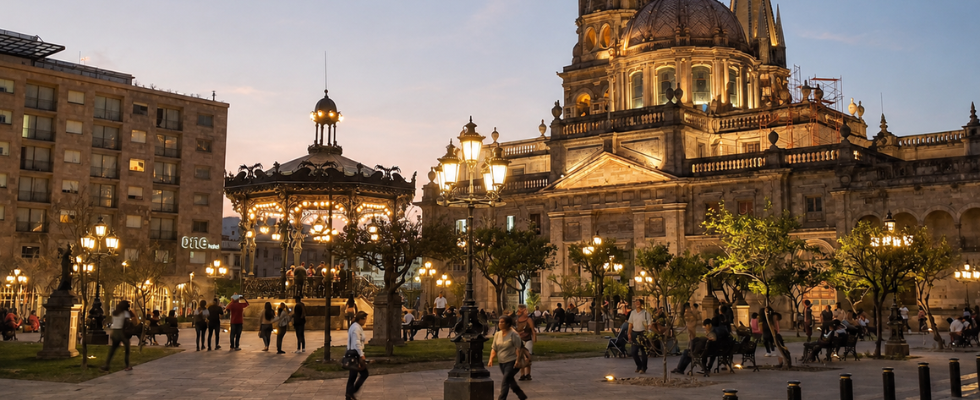
Walking through the Guadalajara Historic Center means covering almost 500 years of history in just a few blocks: a cathedral with yellow spires, Orozco murals that seem to burn, plazas where people dance at sunset and markets that smell of torta ahogada. If you are wondering what to do in downtown Guadalajara, this guide brings together everything essential (monuments, museums, markets, food, nightlife, tours and itineraries) with addresses, hours, updated prices and practical tips so you can make the most of every step.
📍 Before you start: The historic core is completely walkable, and most attractions are less than 15 minutes on foot from each other. Getting there: the Mi Macro Calzada bus line and Tren Ligero (light rail) Lines 1, 2 and 3 stop a few steps from downtown. Best time to go: weekday mornings for museums, and Thursday or Sunday afternoons for outdoor concerts. Bring: comfortable shoes, water and cash for the markets.
Must-see landmarks in the historic core
Guadalajara Cathedral and Plaza de Armas

Start your walk in front of the city’s undisputed icon. Construction of the Guadalajara Cathedral began in 1561, and it blends Baroque, Gothic and Neoclassical styles; its unmistakable yellow spires, covered in tiles from Sayula, are the best-known image of Jalisco. Inside you will see gilded altarpieces, stained glass and the archbishops’ crypt. Directly in front, Plaza de Armas is the social heart of downtown: shaded benches, an Art Nouveau iron bandstand and, several afternoons a week, live music.
Palacio de Gobierno and the Orozco murals
On one side of Plaza de Armas, the Palacio de Gobierno (Jalisco Government Palace) is a fine example of civic Baroque architecture. Its main draw is on the main staircase: José Clemente Orozco‘s mural showing Miguel Hidalgo with his fist raised, surrounded by fire, one of the most powerful works of Mexican muralism. Admission is free, so it is a must-stop to understand the city’s rebellious spirit.
Rotonda de los Jaliscienses Ilustres and Plaza de la Liberación

North of the Cathedral is the Rotonda de los Jaliscienses Ilustres, a circular colonnade honoring the state’s writers, artists, scientists and politicians. It is a quiet spot, with green areas where you can sit and read. To the east lies Plaza de la Liberación (known as the “Plaza of the Two Cups”), a wide open space from which you can take in the Cathedral, the Teatro Degollado and the Palacio de Gobierno at a glance; in the late afternoon it fills with golden light that is ideal for photos.
📖 Related articles: Guadalajara Cathedral — History and visitor information | Things to do in Guadalajara — The city’s top 10 attractions
Teatro Degollado and Plaza Tapatía
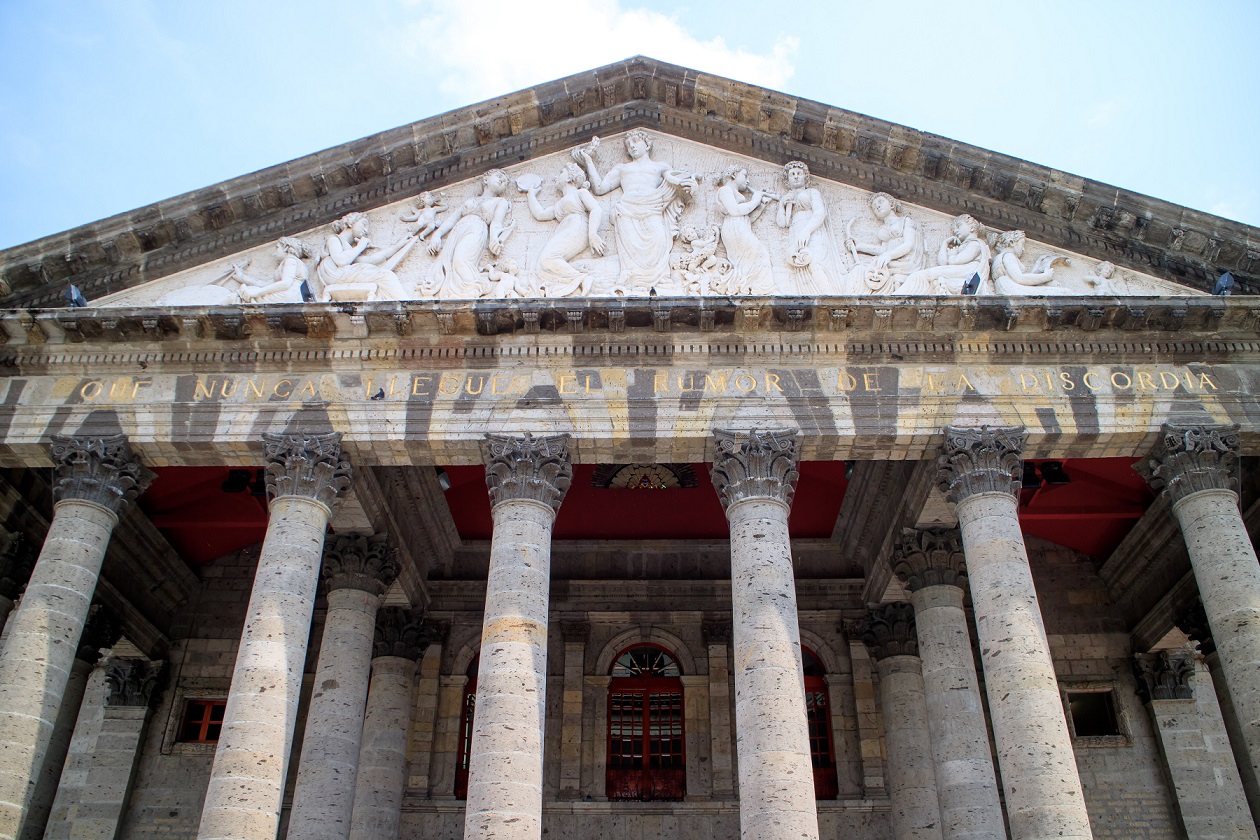
Guadalajara, Jalisco, Mexico – September 10, 2015: The Teatro Degollado first opened on September 13, 1866, with the opera *Lucia di Lammermoor*, performed by Angela Peralta, the soprano known as the “Mexican Nightingale.” At the time, the theater was not yet finished. It was later remodeled many times and had four more inaugurations.
The Teatro Degollado is a Neoclassical landmark that opened in 1866 and is home to the Jalisco Philharmonic Orchestra. Outside, its pediment with reliefs of Apollo and the Muses is striking; inside, the red and gold of its five tiers of boxes and the ceiling mural inspired by the Divine Comedy stand out. Even if you can’t catch a performance, seeing it lit up at night is worth the trip. Behind the theater begins Plaza Tapatía, a pedestrian walkway more than half a kilometer (about a third of a mile) long, with fountains and sculptures, connecting the heart of downtown with the Instituto Cabañas. It is the perfect backbone for exploring the Historic Center without getting lost.
Museums you shouldn’t miss
Museo Cabañas (Hospicio Cabañas)
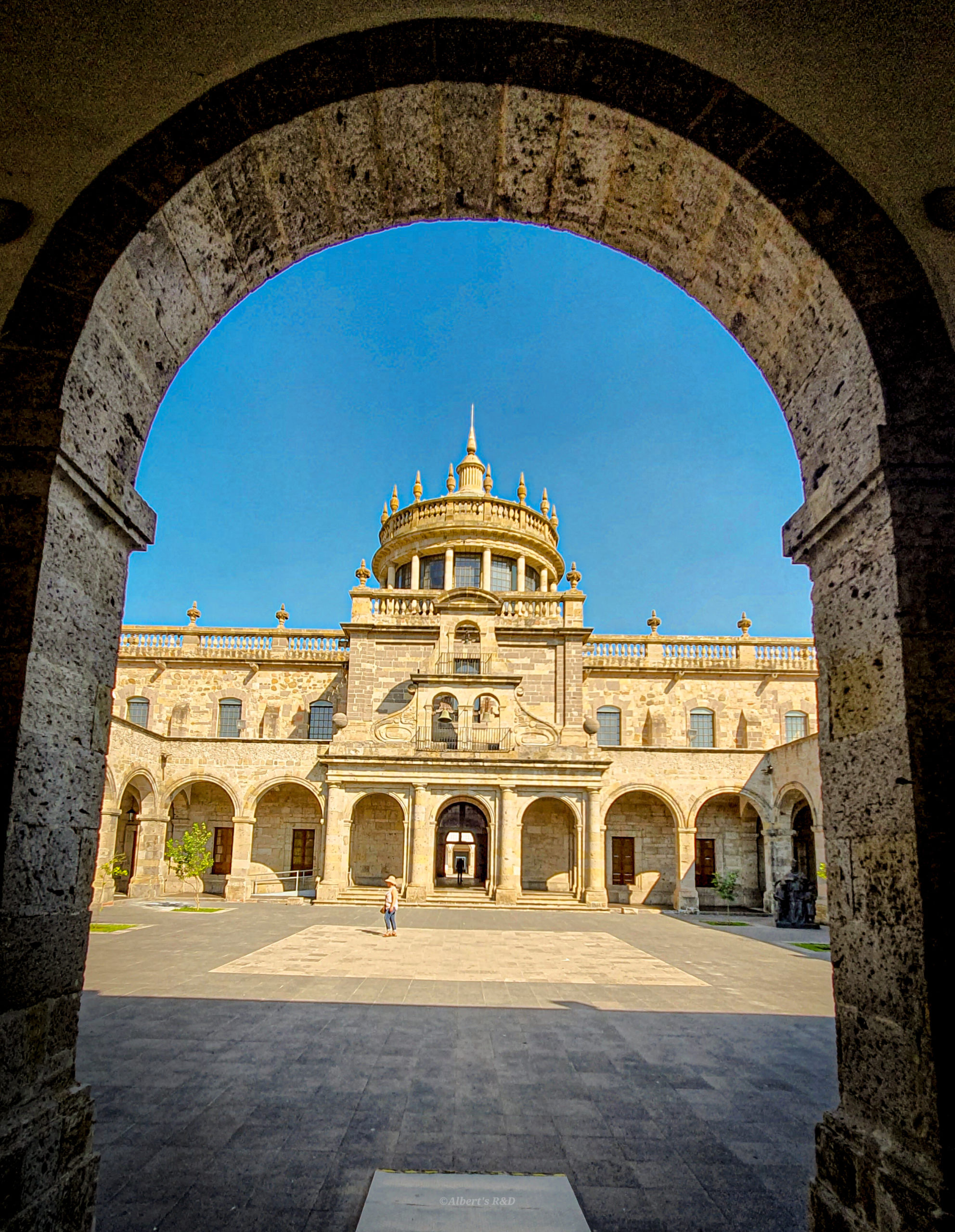
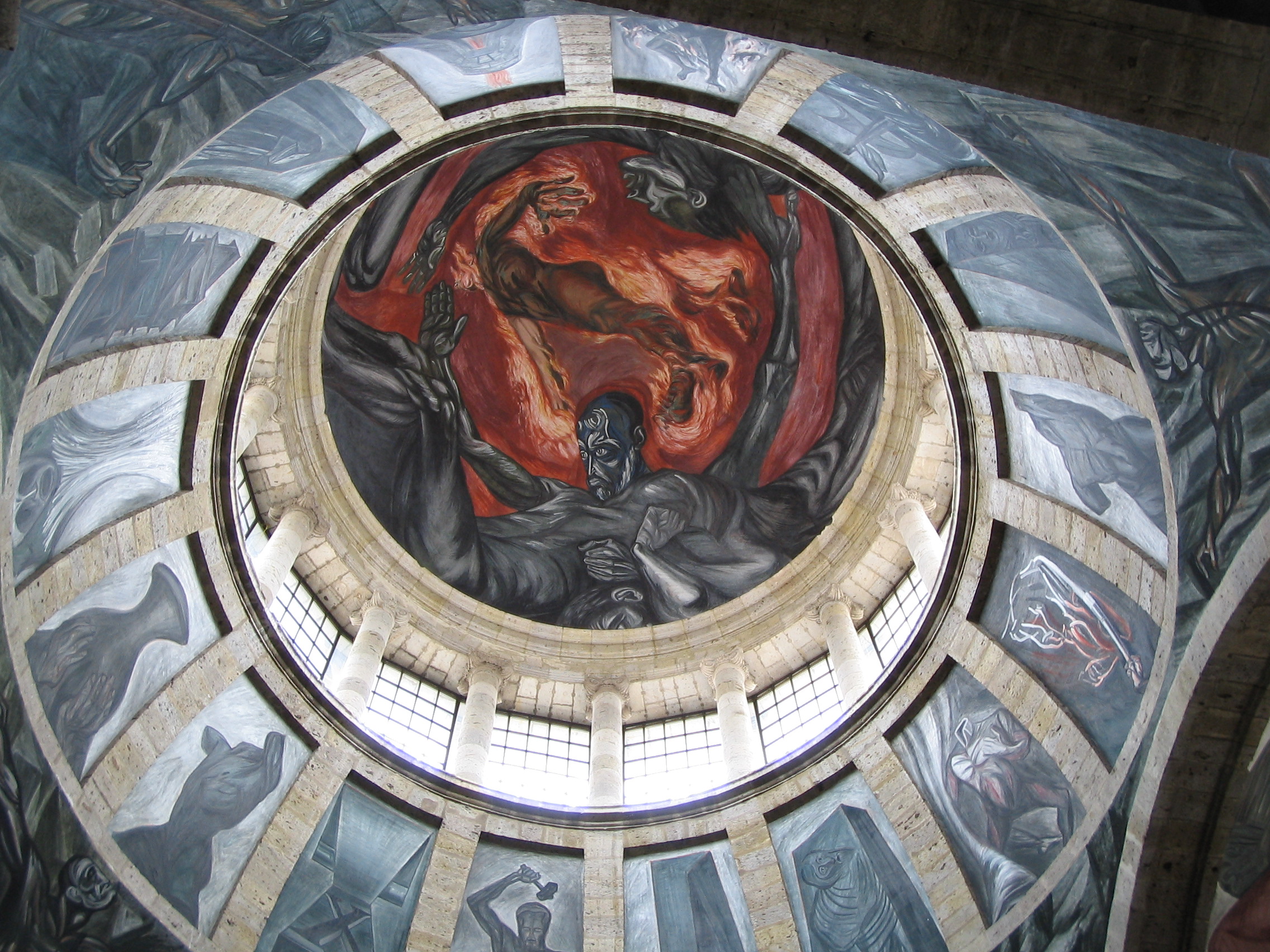
At the end of Plaza Tapatía is downtown’s greatest treasure: the Hospicio Cabañas, a UNESCO World Heritage Site since 1997. This former Neoclassical orphanage and poorhouse, designed by Manuel Tolsá, has 106 rooms, 78 corridors, 2 chapels and 23 interior courtyards arranged in remarkable symmetry. Its crown jewel is the set of 53 murals by José Clemente Orozco in the Capilla Tolsá, topped by “The Man of Fire” in the dome. Lie back on the central benches to look up at it: it is the best way to take it in.
🎟️ Museo Cabañas — visitor information: Cabañas 8, Plaza Tapatía. Hours: Tuesday to Sunday 10:00 a.m. to 5:00 p.m. (closed Mondays). Admission: general MXN $80; with Mexican ID MXN $55; students, teachers, seniors and children ages 6 to 12 MXN $30. Free admission on Tuesdays. Tip: guided explanations of the murals are usually free and very good; ask at the ticket office for the day’s times.
Museo Regional de Guadalajara
Next to the Cathedral, in the former Seminary of San José, the Museo Regional de Guadalajara takes you from a mammoth skeleton and meteorites to a gallery of western Mexican archaeology and colonial-era painting. It is ideal for understanding the region’s background before you keep exploring the streets.
More art: MUSA and other venues
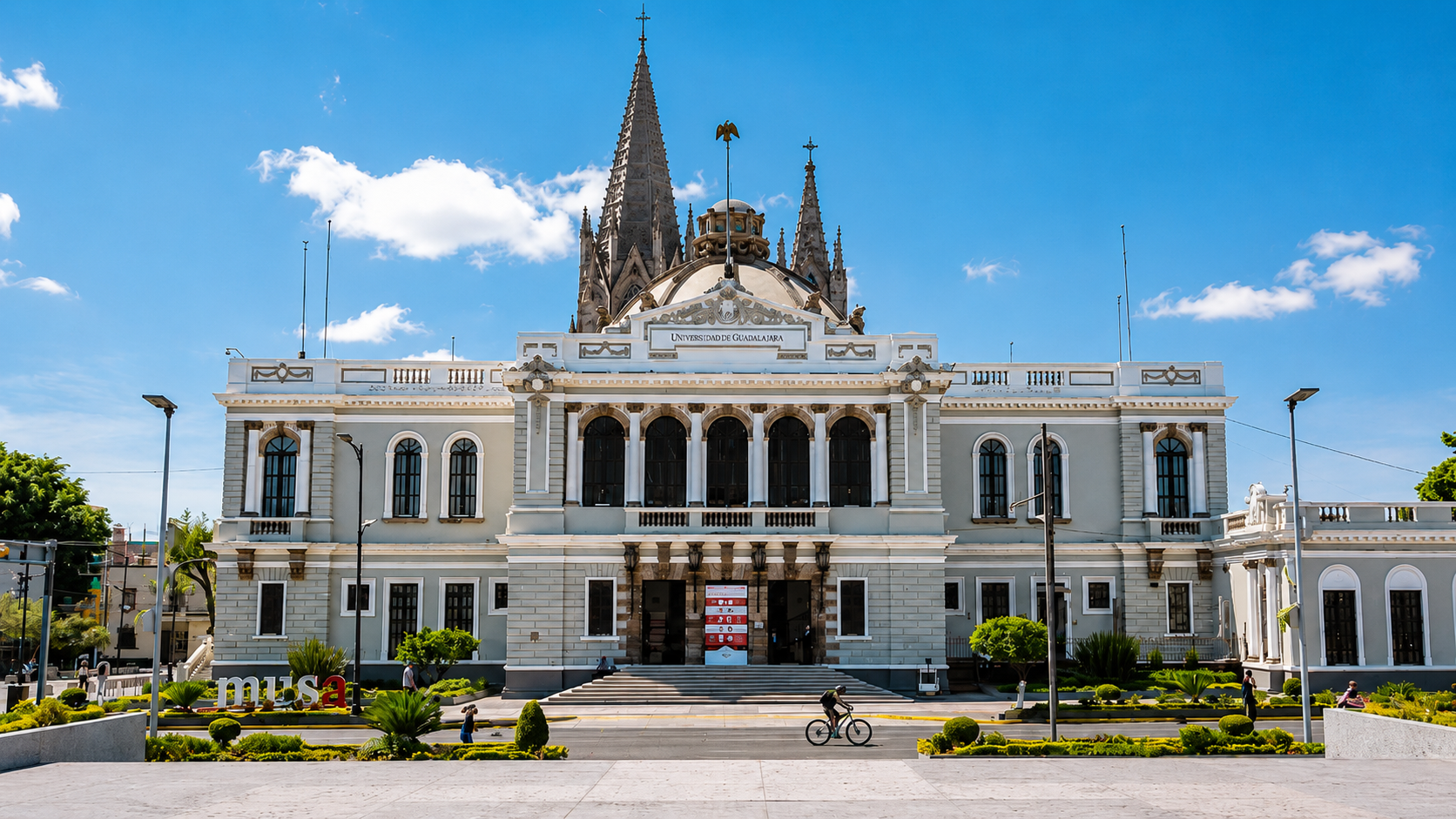
If you want more, downtown and the surrounding area have a concentration of museums that is hard to match. From the Universidad de Guadalajara’s Museo de las Artes (MUSA), with its Orozco murals, to the other venues listed below, there are enough options for an entire week. To plan them, see our full guide to museums in Guadalajara.
📖 Related articles: Museums in Guadalajara — The city’s must-see art museums | Templo Expiatorio — The city’s Neo-Gothic landmark
Lesser-known spots in the Historic Center
Beyond the major landmarks, the historic core has corners that locals love and many guides overlook. The Museum of Journalism and Graphic Arts, better known as the “Casa de los Perros” (Av. Fray Antonio Alcalde 225), occupies a mansion that once held the press of the first independent newspaper in the Americas; today it tells the story of the city’s graphic communication. A few steps away, the Biblioteca Iberoamericana Octavio Paz (Colón, between Juárez and Pedro Moreno) fills the nave of a 16th-century church and holds murals and a silence that invites you to stay. And on Av. Juárez, the Ex Convento del Carmen is a cultural center with free exhibitions and concerts.
🎟️ Visitor information: Casa de los Perros — Tuesday to Sunday 10:00 a.m. to 6:00 p.m. (usually closes at 4:00 p.m. on weekends); low-cost admission and free on Sundays. Biblioteca Octavio Paz — Monday to Friday 9:00 a.m. to 9:00 p.m. and Saturday 9:00 a.m. to 5:00 p.m.; free admission. Ex Convento del Carmen (Av. Juárez 638) — free access to the exhibition halls; check its events calendar.
Markets and shopping: downtown at its most authentic
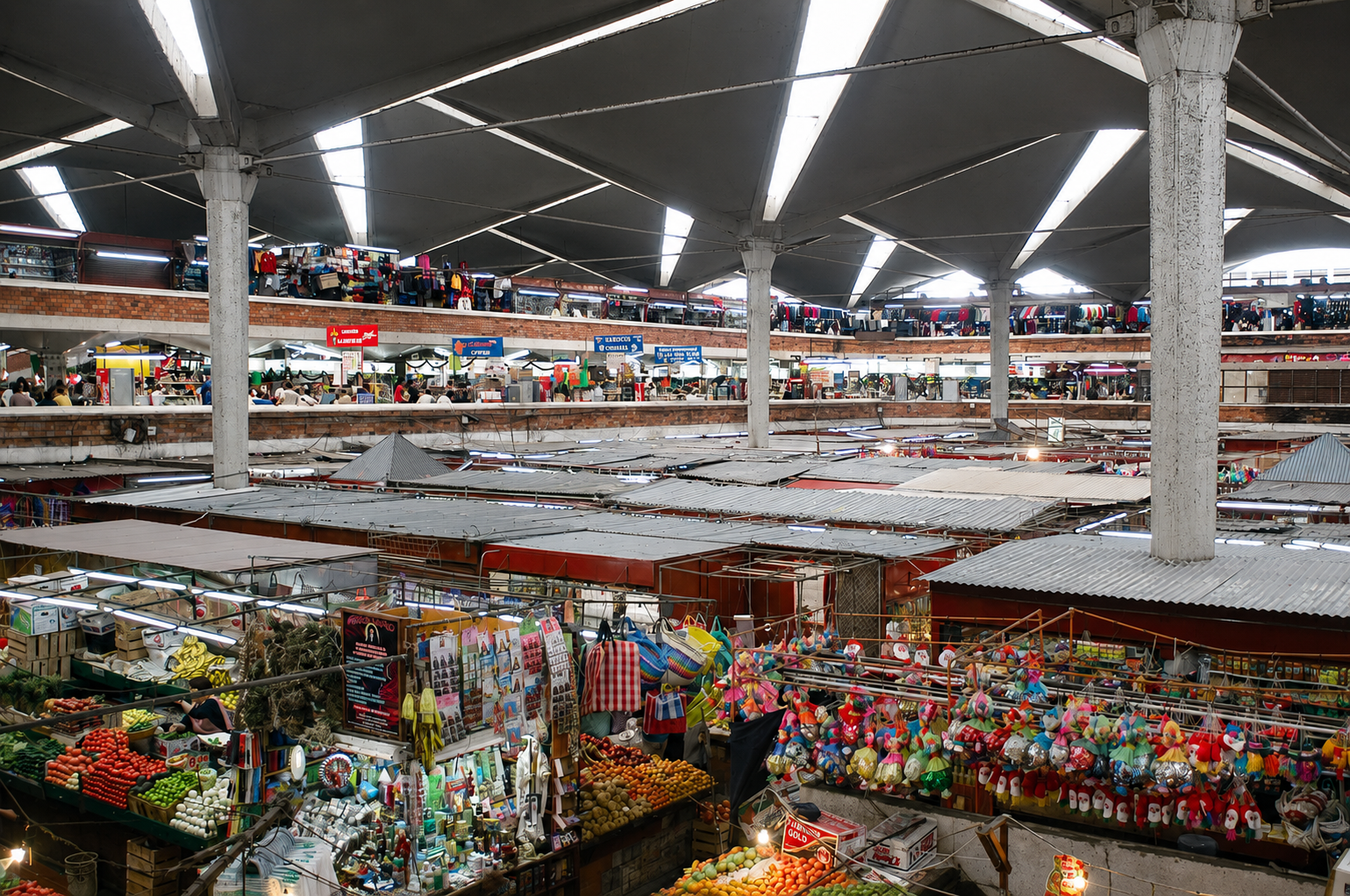
No visit to downtown Guadalajara is complete without its markets. Mercado Libertad, better known as San Juan de Dios, is one of the largest covered markets in Latin America: three floors of crafts, clothing, electronics, traditional sweets and, on the top floor, fondas (small family-run eateries) serving tortas ahogadas, birria and aguas frescas (fresh fruit drinks). A few blocks away, Mercado Corona mixes flowers, groceries and its famous stalls of medicinal herbs and esoteric products. And if you are looking for jewelry at wholesale prices, the Centro Joyero (Dionisio Rodríguez 14) brings together hundreds of shops in a single building.
📖 Related article: Mercado San Juan de Dios — a practical guide: how each floor is organized, what to eat, what to buy and how to get there.
For a wider shopping experience across the city, from crafts to local design, see our guide to shopping in Guadalajara.
Where to eat in downtown Guadalajara
Downtown is the best place to try Guadalajara cooking in its most honest street-food form. The star is the torta ahogada (“drowned sandwich”): a birote (a crusty, slightly salty local bread roll) stuffed with carnitas and soaked in tomato and chile de árbol sauce. For a good one, La Chata (Corona 126) is an unbeatable classic for tortas ahogadas and local dishes; there is often a line, but it is worth it. Add birria (slow-cooked spiced meat stew), pozole (hominy soup), carne en su jugo (beef in its own broth) and the traditional donitas del Centro, sold since 1947.
Very close to the Cathedral is the Nueve Esquinas neighborhood, where nine streets meet and where you will find the city’s best birria: the historic Birriería Las Nueve Esquinas has served goat birria since 1986 in a neighborhood setting with mariachi. To choose well, see our guides to the best birria in Guadalajara, traditional Jalisco dishes and the best restaurants in Guadalajara.
Historic cantinas and Plaza de los Mariachis
For a drink with history, classic downtown cantinas such as La Fuente (founded in 1921) or La Occidental serve tequila, mezcal and botanas (bar snacks) in settings that have not changed in decades. Close to San Juan de Dios is the Plaza de los Mariachis, the birthplace of the genre in the city: here you can pay for a live song and raise a glass with the musicians. Go during the day or in the early afternoon to enjoy it at a relaxed pace.
📖 Related articles: Best places for birria — A Guadalajara birria trail | Tequila Route — A getaway from the city
Suggested itinerary for your visit
If you are not sure where to begin, these walking routes help you make the most of the historic core without wasting time:
Half day (3-4 hours)
- Guadalajara Cathedral and Plaza de Armas
- Orozco murals at the Palacio de Gobierno (free admission)
- Rotonda de los Jaliscienses Ilustres and Plaza de la Liberación
- Teatro Degollado and a walk along Plaza Tapatía
- Museo Cabañas and “The Man of Fire”
- Lunch: torta ahogada or birria around Nueve Esquinas
Full day
Add Mercado San Juan de Dios, the Casa de los Perros, the Biblioteca Octavio Paz and Mercado Corona to the itinerary above and, at sunset, a performance at the Teatro Degollado or a rooftop terrace overlooking the Cathedral. End with a nighttime legends tour to see what downtown Guadalajara is like after dark.
Hop-on bus, trolley and guided tours
If you are short on time or prefer someone to tell you the story, the Tapatío Tour, a double-decker sightseeing bus, covers the Cathedral, the Hospicio Cabañas, Mercado San Juan de Dios and the main landmarks in about an hour and a half, with daily departures from downtown (Independencia at the corner of 16 de Septiembre). There are also sightseeing trolleys and, at night, legends tours through alleys, convents and the Panteón de Belén cemetery, with stories of local ghosts and mysteries: one of the most memorable experiences downtown. If you prefer a private tour at your own pace, at GDL Adventures we design guided tours of Guadalajara and experiences in Jalisco with transportation and a local guide.
🚌 Tours — practical information: Tapatío Tour departs from downtown (Independencia and 16 de Septiembre); about 1 hour 30 minutes; affordable tickets, so confirm the current fare and the day’s schedule at the ticket booth or by phone. Legends tours: usually start at dusk; several are free or low-cost. Tip: buy in advance on weekends and in high season.
Things to do in downtown Guadalajara at night
After dark, downtown takes on a different character. You can see an opera, ballet or concert at the Teatro Degollado, often at affordable prices, or head up to a rooftop with panoramic views: from Piso Siete, at the DoubleTree by Hilton across from the Cathedral, or the terrace at Hotel One, you can see the Cathedral and the Hospicio Cabañas lit up. End the day with a nighttime legends tour and you will see why the historic core never looks the same twice.
Parks and quiet corners
When you need a break, Parque Morelos, the city’s first public park, now restored, and the nearby Parque Revolución (“Parque Rojo”), designed by Luis Barragán, offer shade, fountains and a local atmosphere. A few minutes away toward Colonia Americana stands the Templo Expiatorio, Guadalajara’s most beautiful Neo-Gothic church, with an animated clock that brings out figures of the twelve apostles every hour. For more green spaces, see the best parks in Guadalajara.
✅ Practical tips for your visit: Most museums are closed on Mondays; save that day for plazas, markets and churches. Get around on foot or by public transportation, since parking downtown is difficult. Bring cash for markets and mariachis. Confirm Teatro Degollado performance times on the Philharmonic’s social media. And give the historic core at least half a day: you will enjoy it much more without rushing.
Getting to and around the Historic Center
Downtown is very well connected. The Tren Ligero (Lines 1, 2 and 3) and Mi Macro Calzada stop a few steps from the historic core, and the public bike-share system is ideal for short distances. If you are arriving from out of town or want to plan your transfers, our guides to public transportation in Guadalajara and how to get to Guadalajara will help. And if you would rather have complete freedom, especially if you plan day trips along the Tequila Route, to Chapala or to the Pueblos Mágicos, you can rent a car in Guadalajara with Veico, with clear prices and no hidden fees.
📖 Keep exploring: Where to stay in Guadalajara | Public transportation | Tlaquepaque | Essential Guadalajara travel information
Frequently asked questions
What free things can you do in downtown Guadalajara?
Plenty. Visiting the Cathedral, seeing the Orozco murals at the Palacio de Gobierno, walking around Plaza Tapatía and Plaza de Armas, browsing Mercado San Juan de Dios, stopping by the Biblioteca Octavio Paz and visiting the Museo Cabañas on Tuesdays (free admission) are all memorable experiences that cost nothing.
Where can you eat torta ahogada in downtown Guadalajara?
La Chata (Corona 126) is a classic for tortas ahogadas and local cooking. The top floor of Mercado San Juan de Dios also has budget options, and for birria, Nueve Esquinas is the best stop.
How much time do you need to see the Historic Center?
Half a day is enough to see the main landmarks and one market. To take in museums, food and nightlife without rushing, plan a full day or two visits.
Is it safe to walk around downtown Guadalajara?
The historic core is a busy tourist area during the day. As in any city center, keep an eye on your belongings in crowded markets, handle cash discreetly and stick to well-lit areas at night.
Which days are downtown museums closed?
Most of them, including the Museo Cabañas and the Museo Regional, are closed on Mondays. Save that day for plazas, markets, churches and pedestrian streets.
📖 You may also like: Where to drink tejuino in Guadalajara — a guide to the traditional fermented corn drink and the best stands